







MPD Alumni Spotlight: Mona El Hamdani
To commemorate the 20th anniversary of the USC Master of Public Diplomacy program, housed at the USC Annenberg School for Communication and Journalism, the USC Center on Public Diplomacy interviewed distinguished alumni for a special series reflecting on their time at USC, their professional achievements, and the paths their careers have taken since graduation. View the complete list of alumni interviews.
Could you introduce yourself, your class of MPD, and explain what you are currently doing and have done since graduating?
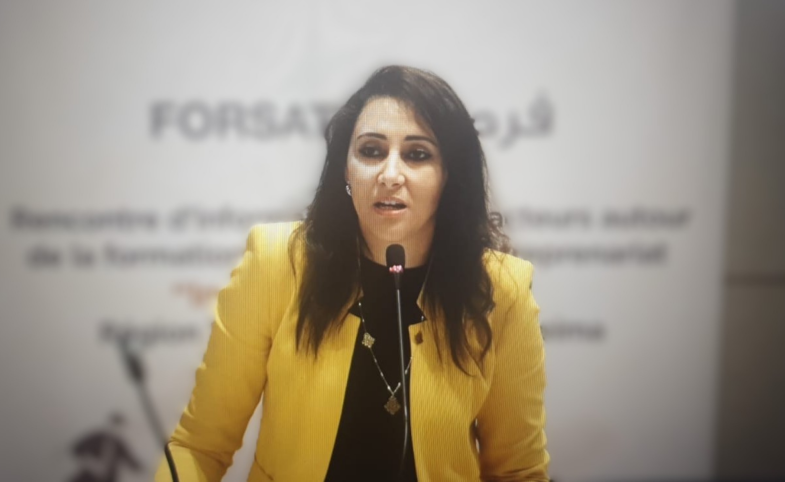
My name is Mona El Hamdani, and I am a Moroccan national. I joined the Master of Public Diplomacy (MPD) program in 2010 through a generous Fulbright Scholarship and graduated in 2012. Since returning to Morocco, I have held several senior leadership roles within the international development sector. Most recently, I worked with the International Organization for Migration (IOM) as Chief of Party and Head of Sub-Office, leading programs implemented in close partnership with The United States Agency for International Development (USAID). My work focused on youth development and integration, prevention and countering of violent extremism (P/CVE), and strengthening community resilience. Throughout my career, I have remained deeply committed to advancing social cohesion, inclusive development, and sustainable peacebuilding initiatives.
How has the program, broadly, helped you in your career?
The MPD program played a central role in shaping both my personal and professional journey. It helped me better understand the critical relevance of public diplomacy within the international development sector. Development work is not only about delivering aid; it is equally a powerful instrument of soft power that contributes to building meaningful bilateral and multilateral relations, fostering mutual understanding, promoting peace and shared values, and strengthening safety and security. The program boosted my understanding of how development, diplomacy, and public engagement intersect to support more stable, prosperous, and resilient societies.
Was there one particular class in the program which helped prepare you for the workplace?
Many classes had a lasting impact on me, particularly those taught by Professors Philip Seib, Robert Banks, Nicholas Cull on soft power, foreign policy, and the historical foundations of public diplomacy. One of the most memorable experiences during the program was participating in a Public Diplomacy expedition to India with fellow MPD students, with the generous support of MPD faculty. My research focused on public diplomacy relations between India and Arab nations. The lessons and insights from that experience remain highly relevant today, especially in light of current geopolitical challenges. It reinforced my belief that public diplomacy remains one of the most effective tools for promoting dialogue, mutual understanding, and peace in a rapidly changing world order.
What is your favorite non-academic memory of your days as an MPD Trojan?
One of my favorite non-academic memories was participating in the homecoming festivities on campus. It was such a joyful and vibrant experience shared among friends and classmates from diverse backgrounds. For me, it represented a truly iconic American university experience and created memories that I still cherish today.
How do you feel the world of public diplomacy and public engagement has changed during your time?
In my opinion, the field of public diplomacy and public engagement is currently facing significant challenges due to ongoing conflicts, geopolitical tensions, and shifts in the global order. In many contexts, diplomacy and public engagement appear to have lost prominence among the priorities of major powers. However, I strongly believe they remain essential because there are ultimately no real winners in war and confrontation. Public diplomacy continues to be one of the few sustainable pathways toward dialogue, peacebuilding, and long-term stability. Although its importance may not always be fully reflected in political agendas today, its relevance is greater than ever in addressing global polarization and rebuilding trust between nations.
What would your advice be to today’s students?
My advice to today’s students is to continue believing in the power of diplomacy, dialogue, and the different manifestations of soft power as tools for building more just and inclusive societies. It is important not to become discouraged by the conflicts and instability we see around the world today. Real change often begins with small actions and incremental progress. Continue investing in knowledge, empathy, and engagement, and celebrate even the smallest victories. Periods of peace and diplomacy will return, and the world will continue to need talented and committed young leaders who are ready to help shape a better future.
Tags
Visit CPD's Online Library
Explore CPD's vast online database featuring the latest books, articles, speeches and information on international organizations dedicated to public diplomacy.
Popular Blogs
-
September 22
-
October 5
-
October 5
-
September 9
-
September 22