








hard power
Over the past few days, the positions and activities of the GCC and Egypt, Iraq, Jordan and Lebanon are becoming clearer against ISIS. The group, which met in Jeddah on Sept. 11, can now be dubbed the GCC+4. First, the GCC+4 is to develop a multi-prong approach to soft power options to break ISIS’s logistical chains in manpower and finance as well as to develop counter-narratives to negate the group’s capabilities and messaging.
Moving to end the Islamic State’s reign of terror in the Middle East, several nations are weighing hard-power, military options as well as soft-power propaganda tactics to dismantle the extremist army, discredit its ideology and discourage foreign recruits from its influence.
Hard-headed bean counters are busy auditing the economic gains of Prime Minister Narendra Modi's visit to Japan but the PM seems to have shrewdly used "soft power" symbolism to boost the profile of a visit billed as a major international engagement.
Providing medical care in foreign countries is a great way to improve the U.S. image abroad. The U.S. Navy hospital ships Mercy and Comfort are prime examples of an effective soft power program. These hospital ships provide medical care to impoverished communities worldwide. The USNS Mercy is itself one of the largest trauma facilities in the United States.
Soft power – using diplomacy, co-operation and the powers of attraction rather than coercion – has become a more potent force in international relations over recent decades. During the Ukrainian crisis, Germany, with its conciliatory, sanctions-focused approach, has been a leading exponent of the approach. Yet faced with what looks increasingly like the use of "hard power" by Russian soldiers on Ukrainian soil, its limits are being tested.
Europe's failure to stem conflicts raging just outside its borders is calling into question the EU's focus on "soft power," centered on discreet diplomacy, economic incentives and in particular Europe's own example of former enemies working together to build common prosperity.
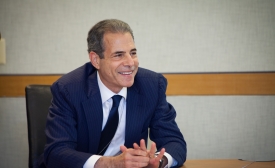
CPD welcomed U.S. Under Secretary of State for Public Diplomacy and Public Affairs Richard Stengel for a special event on October 15.
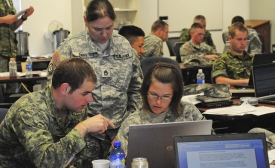
USC Professor Carol Atkinson discussed how the military can help advance U.S. public diplomacy.