









The CPD Blog is intended to stimulate dialog among scholars and practitioners from around the world in the public diplomacy sphere. The opinions represented here are the authors' own and do not necessarily reflect CPD's views. For blogger guidelines, click here.
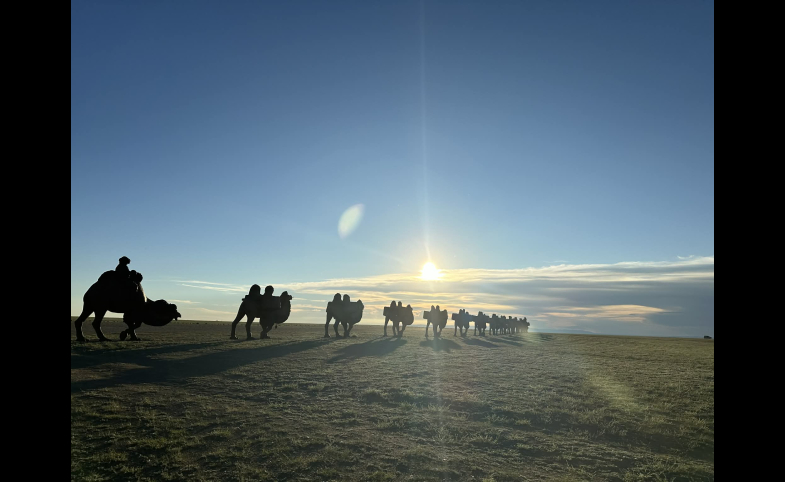
Conference Diplomacy in Action: What COP17 Means for Mongolia
International diplomacy is often imagined as closed-door negotiations between governments. Yet some of the most visible and influential diplomatic activity today happens in conference halls. From climate summits to global forums, international conferences have become key platforms where states negotiate, build partnerships, and shape global agendas. This practice is commonly known as conference diplomacy.
Conference diplomacy refers to the use of international summits and multilateral meetings as platforms for dialogue, negotiation, and agenda-setting on global issues. Unlike traditional bilateral diplomacy, it brings together governments, international organizations, civil society, media, and the private sector in one space.
However, conference diplomacy does not always guarantee concrete agreements. Major gatherings such as the World Economic Forum or the United Nations General Assembly are often criticized for producing more dialogue than action. Despite these limitations, conferences remain valuable for relationship-building, restoring trust, agenda-setting, and the exchange of ideas on shared global challenges.
Hosting an international conference is costly and complex. It requires extensive coordination, infrastructure, logistics, and security arrangements. For smaller or developing countries, the decision to host such an event is therefore both strategic and political. According to the United Nations, conference diplomacy can generally be grouped into three types: peace conferences, general conferences, and global conferences. Global conferences in particular focus on addressing worldwide challenges and preventing conflict through collective action and cooperation.
Despite the costs, countries actively compete to host major international conferences. Hosting offers diplomatic visibility, strengthens international reputation, and allows the host country to help shape global conversations. Mongolia’s upcoming hosting of COP17 provides a timely example of this strategic use of conference diplomacy.
"From climate summits to global forums, international conferences have become key platforms where states negotiate, build partnerships, and shape global agendas."
From 17–28 August, Mongolia will host the 17th session of the Conference of the Parties (COP17) to the United Nations Convention to Combat Desertification (UNCCD) under the theme “Restoring Land. Restoring Hope.” This will be Mongolia’s largest international conference in nearly a decade, following the 11th Asia–Europe Meeting (ASEM) Summit.
Hosting COP17 carries strong diplomatic significance. Mongolia is among the countries most affected by climate change, experiencing declining precipitation, increasing drought, and accelerating desertification. By hosting this global summit, Mongolia positions itself not only as a country affected by environmental challenges, but also as an active contributor to global solutions. Beyond logistics and visibility, hosting international conferences is a form of soft power. By convening global leaders and stakeholders, host countries gain an opportunity to shape narratives, highlight national priorities, and project an image of responsibility and leadership.
In preparation for COP17, Mongolia has launched several national initiatives linking land restoration with livelihoods and rural development. These include the President-led “Billion Trees” National Campaign, which aims to plant one billion trees by 2030. Public engagement has expanded through youth dialogues such as the Youth4Land National Forum, while the Mongolia Business Council has mobilized private-sector support for the UNCCD’s Business4Land Initiative.
For landlocked and developing countries, such opportunities are particularly significant, as they help bring attention to issues that are often underrepresented in global policy discussions. Mongolia continues to expand its trade and diplomatic relations in line with its Foreign Policy Concept.
Ultimately, conference diplomacy is about more than hosting an event. It is about visibility, leadership, and influence in global conversations. By hosting COP17, Mongolia gains an opportunity to showcase its environmental commitments, strengthen international partnerships, and elevate its role in global climate diplomacy. In this way, conference diplomacy becomes not just a diplomatic tool, but a strategic investment in a country’s global presence.
In recent years, Mongolia’s public diplomacy efforts have gradually strengthened its international image. COP17 is expected to bring together thousands of delegates from the 197 parties to the UNCCD. The benefits will extend far beyond short-term economic gains. The conference provides Mongolia with a rare opportunity to elevate its voice in global environmental governance and deepen cooperation with international partners.
As global challenges increasingly require collective solutions, the importance of conference diplomacy will only continue to grow.

Visit CPD's Online Library
Explore CPD's vast online database featuring the latest books, articles, speeches and information on international organizations dedicated to public diplomacy.
POPULAR ARTICLES
-
September 22
-
October 5
-
October 5
-
September 9
-
September 22
MORE FROM THIS AUTHOR
Join the Conversation
Interested in contributing to the CPD Blog? We welcome your posts. Read our guidelines and find out how you can submit blogs and photo essays >.