








public diplomacy

They should appreciate the fact that shutting out those you disagree with is not sustainable.
DOHA --- In past sessions of the Al Jazeera Forum, held each year in the network’s Qatar hometown, reform in the Arab world was discussed with an air of resignation: “Someday…maybe.”
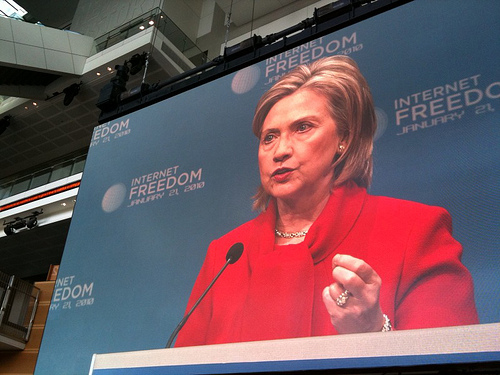
There continues to be an ongoing debate about how to regulate the Internet. This conundrum arises from two questions. Is the Internet a platform for old ideas to be transformed in a new medium, or rather a medium for all-together new paradigms of thought?
The obscure we see eventually. The completely obvious, it seems, takes longer.
-- Edward R. Murrow

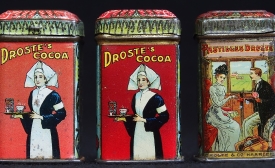
“Mucize Kuruyemiş Fındık Diyarı Türkiye” –“The Miracle Hazelnut comes from Turkey” shines in bold red letters on small packages of nuts. The flight attendant on this Turkish Airways flight TK0829 to Istanbul hands out another round of snacks. The white crescent moon and star decorate all treats. Later on, I learn that Turkey is a leader in hazelnut production, earning about 825.9 million U.S. Dollars from exports. As mentioned in historical documents, the hazelnut has grown for 2300 years on the Black Sea coast in the north of Turkey.
As oppressive Arab regimes totter and topple under the pressure of democratization movements, Israel needs to engage directly with the region’s increasingly politically empowered peoples. But can Israel implement an effective public diplomacy and harness “soft power” with the citizenry of its neighborhood? The answer must be yes; but Israeli public diplomacy strategy and analysis over the past decade provide little guidance for outreach to Arab publics.
In testimony to Congress last week, U.S. Secretary of State Hillary Clinton acknowledged the existence of an ongoing “information war” that the United States is losing. In addition to saying that “Al Jazeera is winning,” Clinton pointed to the major investments in international broadcasting being made by China and Russia.
The Chinese effort is of particular importance. As Secretary Clinton said, “We are in a competition for influence with China; let’s put aside the moral, humanitarian, do-good side of what we believe in, and let’s just talk straight realpolitik.”