









The CPD Blog is intended to stimulate dialog among scholars and practitioners from around the world in the public diplomacy sphere. The opinions represented here are the authors' own and do not necessarily reflect CPD's views. For blogger guidelines, click here.
Public Diplomacy in the News: Cowboy Diplomacy, Norway's 'Cheese Bae," & Messy Sports Diplomacy
“Public Diplomacy in the News” is a CPD Blog series by Andrew Dubbins that spotlights noteworthy stories on public diplomacy topics such as cultural diplomacy, nation branding, exchange programs, international events and conferences, digital diplomacy, and strategic global communications.
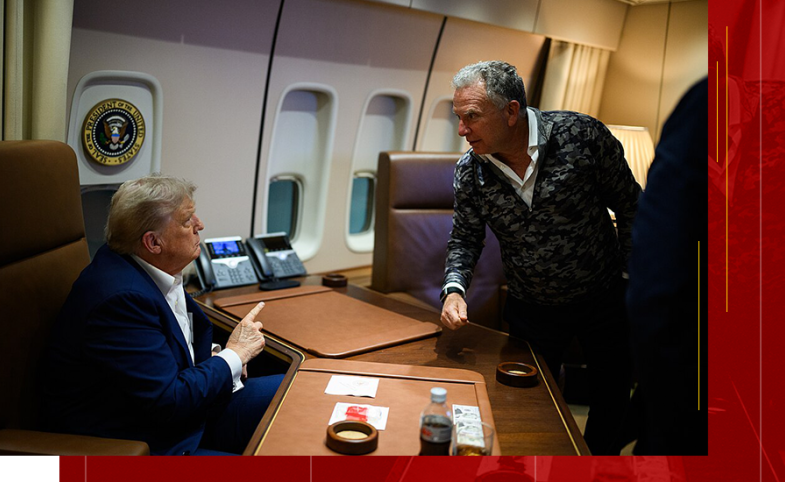
Cowboy diplomacy on the world stage. In an editorial for the New York Times, Jonathan Guyer examines how President Trump’s unconventional foreign policy relies on a small circle of trusted, often inexperienced envoys who bypass traditional diplomatic processes to pursue rapid, high-stakes deals through bluntness, personal relationships, and sheer audacity. Led by figures like Steve Witkoff (pictured above) and Jared Kushner, this “cowboy diplomacy” has produced eye-catching breakthroughs—from cease-fires and prisoner releases to taboo-breaking engagements—but has also alienated allies, favored adversaries, and risked collapse due to thin follow-through, conflicts of interest, and the hollowing out of the professional diplomatic corps. While some seasoned experts concede that this approach can break stalemates and open doors, Guyer argues its long-term success depends on whether diminished institutions and sidelined career officials can still stabilize and sustain the deals once the cowboys move on.
Jonathan Guyer / New York Times
Cheese, charm, and soft power. Norway has stumbled onto a viral form of cultural diplomacy in Washington by turning its embassy chef, Eilif Røsok, into a social-media sensation whose playful, mildly provocative cooking videos have drawn attention and goodwill at a moment when European diplomats face skepticism from a Trump-led U.S. administration. Cooking in an undershirt, joking with ambassadors, and embracing the nickname “Cheese bae,” Røsok’s Instagram presence has reframed Norway’s embassy as approachable and culturally confident, earning cameos from other European envoys and praise from U.S. foreign policy veterans who see food, humor, and shared heritage as enduring tools of transatlantic connection, even amid harsh rhetoric about Europe’s relevance and resolve.
Daniella Cheslow and Giselle Ruhiyyih Ewing / Politico
A decade of sports without a game plan. Lindsay Sarah Krasnoff argues that as the United States prepares to host an unprecedented run of global mega-events—including the 2026 World Cup and upcoming Olympic and Paralympic Games—it lacks a coherent national strategy to harness sports as a tool of diplomacy. Tracing more than a century of U.S. sports diplomacy from informal early efforts and Cold War propaganda battles to post-9/11 programs and viral embassy initiatives, Krasnoff shows that American engagement has remained fragmented and ad hoc, especially compared with countries that have embedded sports diplomacy into formal foreign policy. She contends that proposed legislation to create a unified strategy is essential if the U.S. hopes to convert its “Decade of American Sports” into sustained influence, deeper international dialogue, and lasting soft-power gains rather than fleeting spectacle.
Berlin faces Russian disinformation. Germany has formally accused Russia of escalating a campaign of cyberattacks, espionage, sabotage, and election-related disinformation aimed at undermining German infrastructure and social cohesion, signaling that Russian aggression has expanded well beyond the battlefield in Ukraine. Citing intelligence findings, Berlin said Moscow-linked operatives were responsible for attacks such as a 2024 cyber disruption of air traffic control and coordinated efforts to spread false claims about prominent politicians during the 2025 election campaign, prompting Germany to summon the Russian ambassador in protest. Russia denied the allegations, but German officials framed the actions as part of a broader pattern of hybrid warfare across Europe, unfolding as Berlin seeks to bolster Ukraine’s negotiating position while warning that the continent may no longer be at war, but is no longer at peace either.
By Christopher F. Schuetze / New York Times
Pope Leo on cultural diplomacy. Pope Leo XIV urged scholars of Christian archaeology to embrace cultural diplomacy as a means of overcoming borders and prejudices, framing rigorous historical study as a powerful tool for peace, ecumenism, and mutual understanding. Speaking to members of the Pontifical Institute of Christian Archaeology on its centenary, he emphasized the scientific dignity and distinct identity of the discipline, its role in safeguarding Europe’s Christian roots, and its unique capacity to recall a time of a united Church, fostering dialogue among Christian traditions. By linking archaeological research to the broader human work of building bridges across nations and cultures, the pope cast scholars not only as guardians of heritage and knowledge, but also as ambassadors of peace and hope in a fractured world.

Visit CPD's Online Library
Explore CPD's vast online database featuring the latest books, articles, speeches and information on international organizations dedicated to public diplomacy.
POPULAR ARTICLES
-
September 22
-
October 5
-
October 5
-
October 13
-
September 9
MORE FROM THIS AUTHOR
Join the Conversation
Interested in contributing to the CPD Blog? We welcome your posts. Read our guidelines and find out how you can submit blogs and photo essays >.