









The CPD Blog is intended to stimulate dialog among scholars and practitioners from around the world in the public diplomacy sphere. The opinions represented here are the authors' own and do not necessarily reflect CPD's views. For blogger guidelines, click here.
Public Diplomacy in the News: New UNESCO Sites, African Sports Diplomacy, & LA's Opening Ceremony

Aug 3, 2026

by

“Public Diplomacy in the News” is a CPD Blog series by Andrew Dubbins that spotlights noteworthy stories on public diplomacy topics such as cultural diplomacy, nation branding, exchange programs, international events and conferences, digital diplomacy, and strategic global communications.

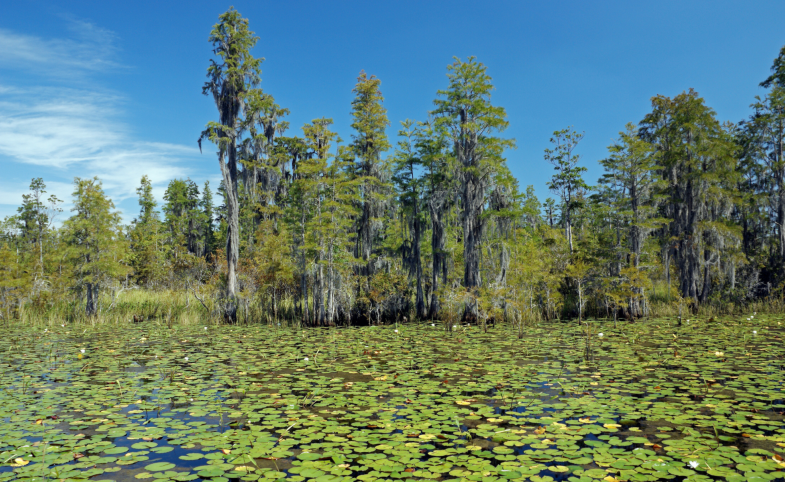
New UNESCO World Heritage destinations. UNESCO’s 2026 additions to the World Heritage List highlight a diverse collection of natural landscapes, historic settlements, architectural landmarks, and cultural treasures that showcase the world’s outstanding universal heritage. Among the 26 newly inscribed sites are the Okefenokee Wildlife Refuge in the United States (pictured above), recognized for its unique subtropical ecosystem and Indigenous significance; Tunisia’s preserved seaside village of Sidi Bou Said; France’s medieval fortresses of Carcassonne; and the modernist works of Finnish architect Alvar Aalto. The new inscriptions also include sites across Africa, Asia, Europe, the Middle East, and Latin America, underscoring UNESCO’s emphasis on protecting places of exceptional natural beauty, historical importance, and cultural achievement while encouraging global tourism and conservation.

Jessica Puckett / Traveler

Sports as a catalyst for African development and diplomacy. A new Brookings podcast examined Morocco’s remarkable rise in international football, presenting it as the product of long-term investment in youth development, education, and modern infrastructure. Ambassador Youssef Amrani argued that sport has become a powerful tool for economic growth, job creation, soft power, and international cooperation. He contends that Morocco’s preparations to host the 2025 Africa Cup of Nations and co-host the 2030 FIFA World Cup with Spain and Portugal are intended to leave a lasting legacy through transportation, energy, and community infrastructure while reshaping global perceptions of Africa as innovative, ambitious, and capable. The discussion also highlighted Morocco’s broader strategy of linking sports diplomacy with trade, investment, regional integration, and people-to-people ties, particularly with the United States, emphasizing that football can strengthen international partnerships while inspiring opportunities for Africa’s young generation.

H.E. Youssef Amrani and Landry Signé / Brookings

Reinventing the Olympic Opening Ceremony. Los Angeles is preparing to transform the 2028 Olympic Opening Ceremony by staging it simultaneously in two iconic venues—the new 2028 Stadium in Inglewood and the historic Los Angeles Memorial Coliseum—while placing Hollywood’s storytelling expertise at the center of the production. Led by entertainment executives with backgrounds at Disney, 20th Century Fox, and major live events, the ceremony aims to combine the city’s cinematic identity with its sporting heritage. The approach builds on Los Angeles’s groundbreaking 1984 Opening Ceremony, remembered for its memorable theatrical moments, while showcasing the Coliseum’s historic legacy and presenting a modern vision of the Olympics that reflects the city’s unique role as the global capital of entertainment.

Scott Bregman / Olympics

Building Qatar through soft power. A feature by Al Jazeera explores how Sheikh Hamad bin Khalifa Al Thani transformed Qatar from a small Gulf state into a regional and global power by investing strategically in education, healthcare, scientific research, sports, media, and diplomacy rather than relying solely on its energy wealth. Recognizing the limits of traditional hard power, he expanded Qatar’s role as a mediator in conflicts across the Middle East and Africa, strengthened ties with the United States while maintaining dialogue with a wide range of regional actors, and supported humanitarian and reconstruction efforts. His leadership also fostered an independent foreign policy and national identity that enabled Qatar to exert influence disproportionate to its size, laying the foundation for the country’s continued prominence under his successor, Sheikh Tamim bin Hamad Al Thani.

Al Jazeera

The commercialization of the World Cup. The 2026 FIFA World Cup is one of the the world’s premier sporting events and a vast geopolitical and economic enterprise, generating billions in spending while serving as a platform for corporate influence and national soft power. The Guardian’s Richard Partington argues that while major tournaments can boost tourism, consumer spending, and international visibility, evidence suggests that their long-term economic benefits for host countries are often modest, with short-term gains frequently offset by declines after the event. At the same time, the World Cup’s immense global audience makes it an attractive vehicle for governments and multinational corporations seeking influence, as reflected in FIFA’s diverse roster of sponsors, raising questions about whether commercial interests and geopolitical branding have begun to overshadow the sport’s traditional appeal.

Richard Partington / The Guardian

STAY IN THE KNOW

Visit CPD's Online Library

Explore CPD's vast online database featuring the latest books, articles, speeches and information on international organizations dedicated to public diplomacy. 

Join the Conversation

Interested in contributing to the CPD Blog? We welcome your posts. Read our guidelines and find out how you can submit blogs and photo essays >