









The CPD Blog is intended to stimulate dialog among scholars and practitioners from around the world in the public diplomacy sphere. The opinions represented here are the authors' own and do not necessarily reflect CPD's views. For blogger guidelines, click here.
Public Diplomacy in the News: Soccer Soft Power, China’s AI Diplomacy, & More

Jul 20, 2026

by

“Public Diplomacy in the News” is a CPD Blog series by Andrew Dubbins that spotlights noteworthy stories on public diplomacy topics such as cultural diplomacy, nation branding, exchange programs, international events and conferences, digital diplomacy, and strategic global communications.

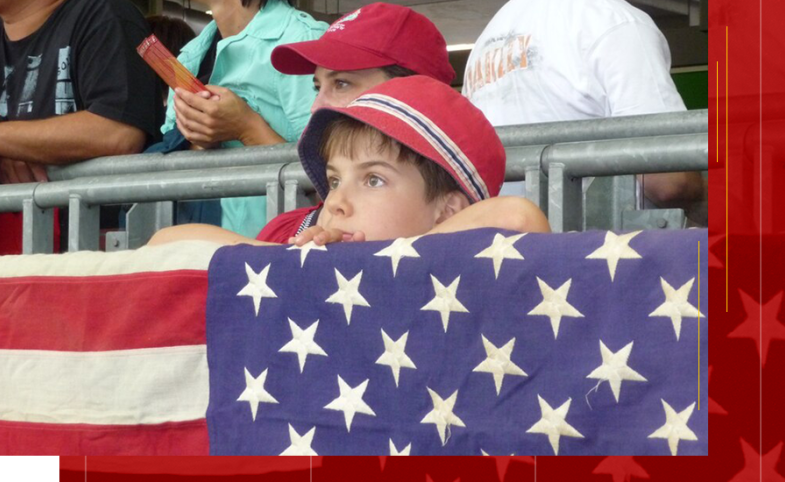
Soft power beyond the scoreline. Despite the U.S. men's national team's early elimination, the 2026 FIFA World Cup ultimately showcased America's enduring soft power by giving millions of international visitors an immersive, largely positive experience that contrasted with negative pre-tournament expectations. Travelers embraced everything from iconic roadside restaurants and technological innovations to the country's scale, hospitality, and fan culture, often returning home with a more favorable view of the United States. Organizers overcame concerns about politics, costs, transportation, immigration, and security as record attendance, soaring television audiences, and increased FIFA revenue projections underscored the tournament's success. While political controversies occasionally surfaced, the event demonstrated that everyday interactions, cultural openness, and shared enthusiasm for sport could strengthen America's global image more effectively than official messaging, reinforcing the nation's ability to attract and influence through its people and culture. 

Joshua Robinson and Jonathan Clegg / Wall Street Journal

The World Cup’s public diplomacy winners. The 2026 FIFA World Cup demonstrated how international sporting success can enhance a nation’s global influence by shaping perceptions through culture, values, and public image rather than politics or military power. Drawing on measures such as team performance, star appeal, fan engagement, and cultural branding, Simon Chadwick, a Professor of AfroEurasian Sport, ranked Norway as the tournament’s leading soft power winner, followed by France, England, Mexico, and Cabo Verde. Each country projected a distinct national identity—from Norway’s collective spirit and France’s elegance to Mexico’s hospitality and Cabo Verde’s resilience—illustrating how major sporting events can strengthen a country’s reputation and diplomatic influence long after the final match.

Simon Chadwick / Forbes

China’s AI diplomacy push. China is using artificial intelligence as both a strategic technology and a diplomatic tool, with President Xi Jinping expected to unveil a vision for global AI governance at the World Artificial Intelligence Conference in Shanghai. Alongside Huawei’s debut of a powerful AI computing system designed to reduce reliance on U.S. technology, Beijing plans to promote its open-source AI models as affordable alternatives to Western platforms while advocating international cooperation through initiatives such as a proposed World AI Cooperation Organisation. The conference highlights China’s effort to shape global AI standards, expand its technological influence, and position itself as a leader in providing AI access to developing countries amid intensifying competition with the United States.

Laurie Chen / Reuters

Moscow’s culture of silence. Moscow’s independent cultural scene continues to survive despite the war in Ukraine, but artists, writers, academics, and audiences increasingly rely on silence, metaphor, and coded language to avoid crossing the Kremlin’s shifting red lines. Hidden art exhibitions, intimate theater performances, and private discussion groups provide rare spaces for creative expression and community, even as participants avoid openly discussing the war out of fear of censorship or reprisal. Daily life in the Russian capital remains outwardly comfortable, yet drone attacks, internet restrictions, propaganda, and pervasive anxiety have created an atmosphere in which many people retreat into what they call “capsules of calm,” preserving civil society through quiet cultural resistance rather than direct political opposition.

Ivan Nechepurenko / New York Times

A new style of American diplomacy. U.S. Ambassador Pete Hoekstra has broken with the traditionally restrained approach of American diplomacy in Canada by forcefully defending President Trump’s agenda and adopting an outspoken style that has intensified tensions between the two allies. His public comments, confrontations with Canadian officials and media, and invitations to controversial figures have drawn criticism from many Canadians, who view his behavior as undiplomatic amid disputes over tariffs and Trump’s repeated suggestions that Canada should become the 51st state. Hoekstra argues that his job is to represent the president rather than win popularity, maintaining that frankness strengthens U.S. interests even as many Canadians see it as further straining one of the world’s closest bilateral relationships.

Amanda Coletta / Wall Street Journal

STAY IN THE KNOW

Visit CPD's Online Library

Explore CPD's vast online database featuring the latest books, articles, speeches and information on international organizations dedicated to public diplomacy. 

Join the Conversation

Interested in contributing to the CPD Blog? We welcome your posts. Read our guidelines and find out how you can submit blogs and photo essays >