








The CPD Blog is intended to stimulate dialog among scholars and practitioners from around the world in the public diplomacy sphere. The opinions represented here are the authors' own and do not necessarily reflect CPD's views. For blogger guidelines, click here.
Trump’s Venezuelan Oil Deal : Upending Years of Public Diplomacy
Both Venezuela and the Trump Administration have been active in public diplomacy since the military action that removed Nicolas Maduro from power on January 3, 2026. But this public diplomacy is wildly at odds with what has been past practice. The United States and Venezuela have both upended their public diplomacy of the last 25 years.
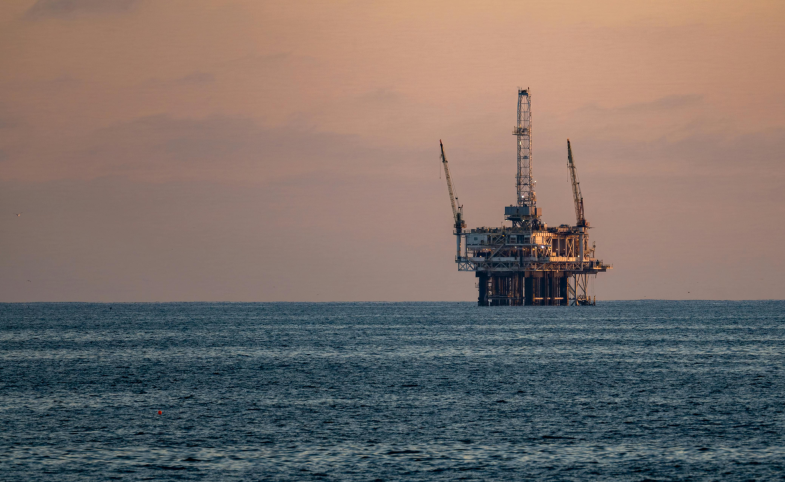
The "interim" President of Venezuela, Delcy Rodriguez, has just signed an oil deal with the Trump Administration that gives the U.S. access to 20% of Venezuela’s vast oil reserves. America says Venezuela has agreed it will last for 100 years; Delcy Rodriguez has said 25 years.
Delcy Rodriguez’ s public diplomacy message for Venezuela is that she has done a good deal for Venezuela as it will receive investment from the U.S. Further, she is suggesting she has the full powers of an elected Venezuelan President and that there are no restrictions on her power. Yet the Venezuelan Constitution, still in force, suggests otherwise. Article 233 provides that is if the Venezuelan President becomes incapacitated or absent during the first four years of their term then new elections be held within 60 days.
It is hard to identify what messages Venezuela is trying to project to the world since January 3, 2026. For fifteen years, from 1998 Hugo Chavez, taking his cue from his long friendship and admiration of Fidel Castro, railed against American imperialism. Delcy Rodriguez and her brother were among the first supporters of Chavez . Exactly twenty years ago at the UN General Assembly Chavez warned that the U.S wanted to take over Venezuela’s oil and that George W Bush came to the UN ‘ as if he owned the world,”
Chavez then developed an outreach policy for Venezuela’s oil wealth – PetroCaribe offering Venezuela oil at discount prices with opportunities for barter trade,rfoe example Cuban doctors for oil. This was a central feature of Venezuela’s public diplomacy. As Venezuelan oil production declined and China bought a significant part Venezuela and Maduro turned to alternative sources of income, of which drug trafficking seems to have become a significant part, and also solidifying alliances with Russia, Iran and China.
"Both the United States and Venezuela have scrapped their long-standing public diplomacy positions. Both states are now projecting totally different world views. This is not generally a recipe for successful diplomacy if the motives of the states are personal to their leaders."
What have been the American messages towards Venezuela in recent years? The first Trump Administration, with Elliott Abrams the Special Envoy for Venezuela, focused on promoting greater transparency in elections which were widely considered not free and fair even before the opposition victory in 2024. Trump worked with Latin American countries to promote Juan Guaidó as "interim" president, because they saw the election of Maduro as illegitimate. This was continued by the Biden Administration who negotiated the Barbados agreement 0f 2023 between Maduro and the United opposition.
The final relevant piece of America’s public diplomacy in recent years was to nominate Maria Corina Machado for the 2025 Noble Peace Prize. In August 2024, a month after, she was deprived of the victory which voter returns showed in July 2024. The citation said Machado deserved the award ‘ to honor her brave non-violent fight for democracy’ and ending the dictatorship in Venezuela. Delcy Rodriguez’s government is not recognized by many countries, including the whole of the EU. But now the Trump Administration is preventing Machado's return. Machado believes the whole of the Venezuelan oil sector should be privatized and the revenues applied to Venezuelan people. This would, of course, open the process to U.S companies in a fair bidding process.
What does this mean for the public diplomacy of both countries? The U.S. government, whilst accepting that Delcy Rodriguez is interim, is ignoring many in Delcy’s own party and in the opposition that the oil deal is a renunciation of Venezuela’s sovereignty. In September 2025, Rodriguez told The New York Times that "The Pentagon always had a strategic objective of obtaining Venezuelan reserves.” And significant parties in the world like the EU do not recognize the Venezuelan government as legitimate.
Polls show that Venezuelans are far more interested in new elections than in a new oil deal with America. 94% of Venezuelans say the government of Delcy Rodriguez is not giving enough priority to holding new elections. A September 2026 poll showed overwhelming support for Maria Corina Machado at 53% compared to Delcy Rodriguezs at 22%.
Trump’s public statements have long suggested long that the U.S. should be getting oil benefits for areas where the U.S. has deployed military forces. So, going back to American interventions in Iraq and Syria, oil should have been the U.S objective.
The U.S. has waved aside the clear provisions of Venezuela's constitution and the views of the most popular opposition leaders that the deal is illegitimate and will likely be overturned or renegotiated if there were free elections. Trump's former Latin America advisor Elliott Abrams has called the deal a sign of the United States promoting "the fever dream of what colonialism looks like.” He has said that Trump has sacrificed democracy for oil.
Has the world forgotten about the repression and election fraud committed by the Maduro/Rodriguez government? One independent Fact Finding mission appointed by the UN Humans Rights Council and by Argentine/Mexican human rights experts reported this month that dozens of detentions of dissidents have ocurred since the U.S. replaced Maduro and that the same institutions that govern internal security are largely in place.
Both the United States and Venezuela have scrapped their long-standing public diplomacy positions. Both states are now projecting totally different world views. This is not generally a recipe for successful diplomacy if the motives of the states are personal to their leaders.
Ambassador Paul Hare was a former Charge D'Affaires at the UK embassy in Venezuela and UK ambassador to Cuba. He is now Master Lecturer in International Relations at the Pardee School of Global Studies at Boston University.

Visit CPD's Online Library
Explore CPD's vast online database featuring the latest books, articles, speeches and information on international organizations dedicated to public diplomacy.
POPULAR ARTICLES
-
September 22
-
October 5
-
October 13
-
October 5
-
September 9
MORE FROM THIS AUTHOR
Join the Conversation
Interested in contributing to the CPD Blog? We welcome your posts. Read our guidelines and find out how you can submit blogs and photo essays >.