









The CPD Blog is intended to stimulate dialog among scholars and practitioners from around the world in the public diplomacy sphere. The opinions represented here are the authors' own and do not necessarily reflect CPD's views. For blogger guidelines, click here.
Public Diplomacy in the News: Wildfire Diplomacy, U.S. Consulate Closures, & Trump Passports

Aug 10, 2026

by

“Public Diplomacy in the News” is a CPD Blog series by Andrew Dubbins that spotlights noteworthy stories on public diplomacy topics such as cultural diplomacy, nation branding, exchange programs, international events and conferences, digital diplomacy, and strategic global communications.

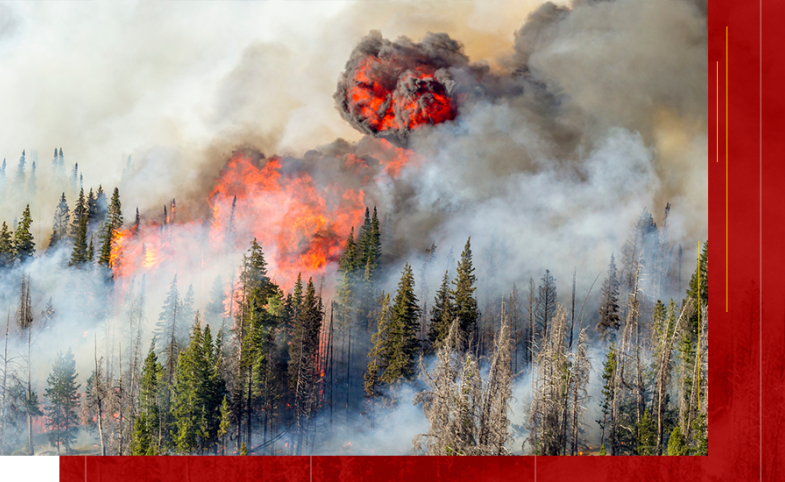
Wildfire diplomacy must extend beyond emergency response. As wildfires increasingly cross national borders, international cooperation must evolve from short-term emergency assistance to comprehensive partnerships focused on prevention, resilience, and long-term recovery, writes Monica Sanders of Forbes. While countries have successfully shared firefighters, aircraft, and equipment through mechanisms such as U.S.-Canada agreements and the European Union's Civil Protection Mechanism, these efforts rarely address the prolonged challenges communities face after the flames are extinguished, including contamination, housing reconstruction, public health, and insurance. Expanding "wildfire diplomacy" to include joint forecasting, cross-border smoke protections, shared recovery standards, and Indigenous fire stewardship would better equip nations to respond to a growing global climate threat while helping affected communities recover safely and sustainably.

Monica Sanders / Forbes

U.S. consulate closures raise diplomatic concerns. Planned closures of five U.S. consulates and diplomatic missions have prompted concerns that a reduced American presence could create opportunities for China to expand its influence abroad. The State Department says the closures in Canada, Grenada, Japan, Indonesia, and Cameroon are part of a cost-saving effort to streamline the U.S. diplomatic footprint, but critics argue the savings are minimal compared with the strategic value of maintaining overseas representation. The move comes amid broader reductions in U.S. diplomatic capacity, including staffing cuts and numerous vacant ambassadorial posts, fueling debate over the long-term impact on American global influence.

Robert Tait / The Guardian

Diplomatic embarrassment at global AIDS summit. A State Department presentation at the AIDS 2026 summit in Rio de Janeiro sparked international embarrassment after displaying an AI-generated map of Africa that incorrectly labeled all six countries receiving U.S. health funding. The department accepted full responsibility, attributing the mistake to a staff member who hastily modified the presentation before it was delivered, while emphasizing that the error was not politically directed. The incident comes amid broader reductions in U.S. global health assistance following cuts to foreign aid programs, raising concerns about America's credibility and commitment to international HIV/AIDS efforts.

Sammy Westfall / The Washington Post

Commemorative Trump passports expand nationwide. The State Department is expanding the availability of its limited-edition "Patriot Passport," featuring President Donald Trump's image, after citing overwhelming public demand for the commemorative document marking the nation's 250th anniversary. An additional 250,000 passports will be made available through passport agencies across the country beginning Aug. 8, making Trump the first living president to appear on a U.S. passport. The rollout has drawn sharp criticism from Democratic lawmakers, who argue the administration should prioritize pressing economic concerns over symbolic branding efforts, while supporters view the passport as a patriotic celebration of America's semiquincentennial.

Chantelle Lee / Time

Philippines tightens scrutiny of China-linked education programs. The Philippine government is increasing oversight of Chinese state-backed academic and cultural exchange programs, arguing that greater transparency is necessary to safeguard academic integrity and national security. Defense officials cited concerns that China's National Security Law could compromise the independence of educational exchanges, particularly those involving institutions such as Jinan University, which has been linked to training Chinese-language teachers in the Philippines and whose scholars have made territorial claims over Philippine land. Beijing has rejected the allegations as an unjustified expansion of national security concerns, while Philippine officials maintain that the measures target foreign influence rather than the Filipino-Chinese community.

Nestor Corrales and David Stanway / Reuters

STAY IN THE KNOW

Visit CPD's Online Library

Explore CPD's vast online database featuring the latest books, articles, speeches and information on international organizations dedicated to public diplomacy. 

Join the Conversation

Interested in contributing to the CPD Blog? We welcome your posts. Read our guidelines and find out how you can submit blogs and photo essays >