








world cup
This week, we learned that enhancing Brazil's national image through soccer has pitfalls and obstacles (thanks, Germany).
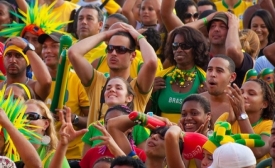
An overview of CPD's most popular blogs last month on topics ranging from Iranian soccer diplomacy to Turkey's Armenian initiative.
Taking a closer look at the opportunities created by the World Cup this year, in Brazil and elsewhere.
In recent months, German, Swiss, Swedish, and Polish bids to hold the 2022 Winter Olympics have been withdrawn over concerns about cost. Munich and Davos-St. Moritz withdrew after voters rejected their Olympic bids. So did Krakow, where more than 70 percent voted against the idea in a referendum, despite the perceived success of the feel-good European soccer championships held in Poland and Ukraine in 2012.
While mega-events can involve colossal facilities of little use post-event, they can also provide reputational benefits and be seen as an investment in a nation's brand.
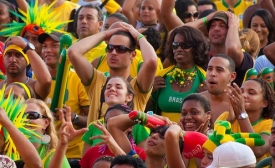
The World Cup might not be all hearts and roses for Brazil.
The national mood in Brazil is grim, following a year in which more than a million people have taken to the streets of major cities across the country to protest corruption, rising inflation and a lack of government investment in public services such as education, health care and public transportation, among other things. A new survey by the Pew Research Center finds that 72% of Brazilians are dissatisfied with the way things are going in their country, up from 55% just weeks before the demonstrations began in June 2013.
FIFA’s investigative report and related documents, which were obtained by The New York Times and have not been publicly released, raise serious questions about the vulnerability of the World Cup to match fixing. The tournament opens June 12 in Brazil. The report found that the match-rigging syndicate and its referees infiltrated the upper reaches of global soccer in order to fix exhibition matches and exploit them for betting purposes.