








world cup
DOHA, June 1 (Reuters) - "It will blow over" tends to be Qatar's unofficial response to criticism of its World Cup bid, but with a FIFA corruption scandal exploding onto the world's front pages, the Gulf state has glumly realised it may have a real fight on its hands. Super-rich Qatar would suffer no economic pain if it lost the right to host the world's top soccer event. At stake is influence, including its use of sport as a platform to operate on the global stage, opening doors to finance, media, diplomacy, property and tourism.
While Qatar may be winning rounds in international organizations and associations, it is failing in part as result of continued criticism of its labour system to achieve its public diplomacy goals associated with World Cup.
But for this small Gulf nation, which boasts the world’s fourth-largest known oil reserves but is situated in one of the world’s most troubled regions, the World Cup is far more than just a horse race.
Papers are exuberant over an ambitious state plan to help China's football team qualify for the World Cup. The plan hopes to make the sport more popular in the country to attract young talent. The council also wants the country to host the World Cup tournament in the future.
China announced Monday an ambitious plan to overhaul the nation's soccer management hoping to achieve World Cup recognition, a move observers believe will boost China's soft power.
The United Arab Emirates has embarked on an all-out effort to broaden its regional influence and achieve global acceptance of its autocratic definition of terrorism that encompasses all non-violent, legitimate expressions of political Islam.
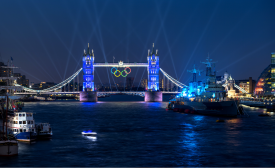
The latest issue of Sport in Society focuses on “Sport and Diplomacy” and explores the interrelationship between international sports and diplomatic studies since they both have a global public dimension to them that can be systematized. The issue features eight articles including: