









The CPD Blog is intended to stimulate dialog among scholars and practitioners from around the world in the public diplomacy sphere. The opinions represented here are the authors' own and do not necessarily reflect CPD's views. For blogger guidelines, click here.
From Antalya to the World: Türkiye’s Climate Diplomacy and the Human Security Agenda
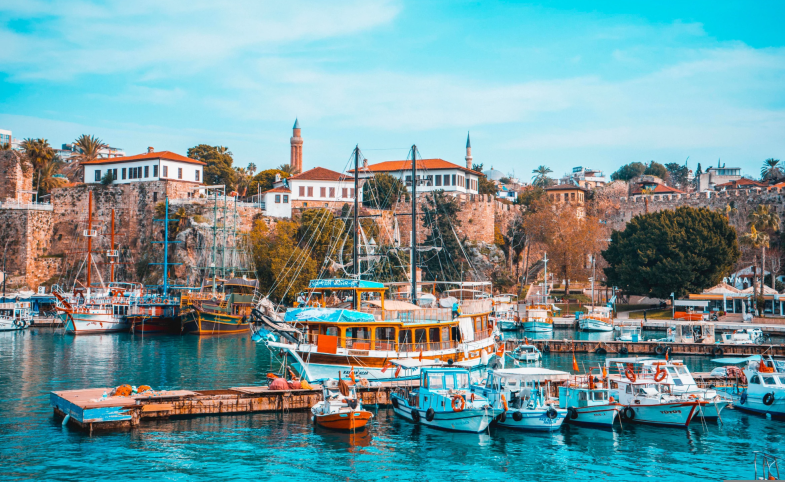
Following this week’s COP31 coverage across Turkish, English and Spanish, I keep returning to the relationship between the conference and its host city. Antalya (pictured above) is familiar internationally through its Mediterranean coastline and historic harbor. In November, it is asking visitors and distant audiences to consider another dimension of hospitality. What does it mean to host a conversation about whether people can continue to live safely in the places they call home?
Türkiye deserves recognition for taking on that responsibility. Hosting COP31 from November 9 to 20 places the country at the center of climate cooperation, with Murat Kurum serving as COP president and Australia’s Chris Bowen leading negotiations. The arrangement offers a practical example of shared diplomatic leadership. Its public significance lies in showing that governments with different circumstances can organize a common undertaking and make their cooperation visible. For Türkiye, the public diplomacy opportunity is to build relationships with foreign publics around the protection of human lives. The conference connects that engagement to scientific exchange, accessible communication and cooperation that communities can experience.
Antalya brings an established diplomatic practice to this task. The fifth Antalya Diplomacy Forum took place on April 17–19, 2026, bringing governmental and nongovernmental actors into conversations about uncertainty. The forum’s inclusion of academics, journalists and young people helps explain the city’s broader potential. Türkiye has invested in Antalya as a place where political discussion can circulate beyond ministerial meetings.
The city’s physical setting makes this relationship especially legible. Around Kaleiçi, the old harbor and streets preserve traces of Mediterranean exchange. The coast, surrounding landscapes and visitor economy also make the relationship between environmental conditions and everyday livelihoods easy to understand. Antalya gives climate diplomacy a recognizable place. International audiences can connect an abstract negotiation with a city whose hospitality and cultural life depend on the environments that sustain them.
That continuity matters for public diplomacy. Cities acquire international meaning through repeated encounters. A participant who returns for another conference, a journalist who develops local contacts or a university that sustains an exchange can carry relationships forward. Antalya’s tourism infrastructure provides experience in welcoming international visitors. Its diplomatic gatherings create opportunities to connect that experience with sustained intellectual and political engagement.
The scholarship on climate negotiations helps explain why hosting deserves serious attention. Joanna Depledge’s The Organization of Global Negotiations examines how the organization of negotiations shapes their possibilities. Arrangements that appear technical influence how participants contribute and how agreement becomes achievable. Applied to Antalya, this perspective directs attention toward the patient work of convening, consultation and procedural confidence that Türkiye is undertaking.
Aslak Brun’s account of the Paris Agreement adds another lesson. He emphasizes inclusive leadership and the French presidency’s combination of transparency with direction. Climate conferences need hosts capable of holding different expectations within a process participants regard as credible. Türkiye’s opportunity is to cultivate that confidence while translating the scale of planetary problems into practical cooperation. The quality of the encounter can become a diplomatic achievement.
COP31 also gives Türkiye a substantive agenda to communicate. At the November 10 presidency press conference, Kurum described a goal of raising electricity’s share of global final energy consumption from approximately 23 percent to 35 percent by 2035. This is an electrification target across transport, buildings and industry. Its climate contribution will depend on clean generation and the infrastructure that makes electricity reliable and affordable.
The diplomatic value of that proposal is its connection to recognizable needs. Reliable electricity keeps clinics operating and supports refrigeration, communications and livelihoods. Explaining an energy target through these consequences can make an international agenda intelligible to foreign publics. Türkiye’s presidency can show how investment decisions made across borders affect the daily security of households.
Human security provides the language for this connection. W. Neil Adger’s work on climate change and insecurity places human well-being within the security debate, widening attention to people’s circumstances. A family’s ability to obtain water, earn a living and remain connected to its community becomes central. Climate action gains political meaning when it protects those conditions and increases people’s capacity to shape their futures.
"Antalya’s most lasting contribution could be to connect its tradition of welcoming the world with partnerships that help people remain secure in their own communities."
The urgency is measurable. Ahead of COP31, UNHCR reported that nearly 90 million forcibly displaced people, approximately three in four globally, live in countries highly exposed to climate hazards. It also warned that fragile and conflict-affected countries receive only around 10 percent of global climate finance. Many people who have escaped violence encounter new dangers in the places where they seek protection.
Türkiye’s experience as a major refugee-hosting country gives it a consequential perspective on these overlapping vulnerabilities. Hosting the conference creates an opportunity to bring displacement and the needs of receiving communities into wider climate conversations. A strong Turkish contribution would connect this experience with practical partnerships in water provision, resilient housing and local adaptation. Such cooperation would give foreign audiences concrete reasons to associate Türkiye with human protection.
Kathy Fitzpatrick’s relational approach to public diplomacy helps clarify how that association can acquire substance. Her work emphasizes dialogue and mutuality in international relationships. Applied here, it suggests involving affected communities in defining the problems and evaluating responses. Public diplomacy becomes credible when the people addressed can influence the cooperation offered. Türkiye can give this principle institutional expression through partnerships that continue after delegates leave Antalya.
Attention itself requires careful interpretation. Zorzeta Bakaki and Thomas Bernauer’s study of climate summit communication found that exposure to summit-related cues increased awareness, especially among people initially less aware of climate change. Their experiment found no significant effect on policy preferences. For Antalya, the implication is practical. Visibility opens a conversation whose development requires explanation, participation and repeated contact.
As a Turkish-Mexican scholar, I also see room for cooperation across regions. Mexico’s delegation in Antalya is advancing emissions reduction, climate finance and implementation of the Paris Agreement. Turkish and Mexican institutions could build on that encounter through exchanges among municipalities, universities and civil protection specialists. Shared work on adaptation could bring the diplomatic relationship closer to students and communities in both countries.
Several steps could make this opportunity durable. Turkish universities could pair climate researchers with visiting scholars to produce accessible multilingual explainers. Municipal partnerships could share experience in water management and heat protection. A public follow-up platform could identify projects, funding responsibilities and community participation. These proposals would allow audiences to follow cooperation after the conference and give Antalya’s diplomatic role a continuing civic presence.
Evaluation should follow the people involved. Did a partnership make local knowledge available to negotiators? Could residents understand a project’s timeline and question its design? Did an academic encounter produce a second meeting or joint research? These questions would help Türkiye document the public value of its convening role. They would also create opportunities for adjustment, making responsiveness itself part of the country’s international reputation.
For me, the connection between human security and public diplomacy becomes clearest at this scale. People form judgments about international partners through the relationships and material possibilities cooperation creates. Türkiye has offered a setting where scientific knowledge, political responsibility and public encounter can meet. Antalya’s most lasting contribution could be to connect its tradition of welcoming the world with partnerships that help people remain secure in their own communities.

Visit CPD's Online Library
Explore CPD's vast online database featuring the latest books, articles, speeches and information on international organizations dedicated to public diplomacy.
POPULAR ARTICLES
-
September 22
-
October 13
-
October 26
-
October 5
-
October 5
MORE FROM THIS AUTHOR
Join the Conversation
Interested in contributing to the CPD Blog? We welcome your posts. Read our guidelines and find out how you can submit blogs and photo essays >.