








soft power
It took over 15 years of both hard and soft power from the international community to eventually sort out the situation on the ground in Bosnia. [...] Unfortunately, solving the problems in Syria will take at least that long given the underlying Sunni-Shiite conflict overlaid by the atrocities of the past five years.
NATO is putting on its most fearsome display of military might in over a decade [...] The war games, which took two years of planning, were rejiggered to add areas where many NATO officials say the alliance has been dangerously deficient, including defending against cyberattack and the use of social media to deceive public opinion.
See our interactive map of the 2015 World Expo in Milan!
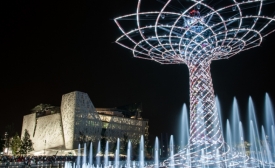
See our interactive map of the 2015 World Expo in Milan!
See our interactive map of the 2015 World Expo in Milan!
The Ministry of External Affairs is getting ready to promote the global discipline of Indology as a soft diplomatic platform.[...] Indology, which includes the study of the Vedas, Vedanta, Upanishads and the Sanskrit classics, has a global pool of scholars who can project India’s core civilizational values effectively on the global stage, said Karan Singh, former president of the ICCR and one of the prominent speakers at the event.
Public diplomacy expert Çevik said Turkey is gradually getting better at using various public tools, but there is still a distance that needs to be covered, considering the power of public diplomacy will facilitate the country having well-established ties in the international arena.