









The CPD Blog is intended to stimulate dialog among scholars and practitioners from around the world in the public diplomacy sphere. The opinions represented here are the authors' own and do not necessarily reflect CPD's views. For blogger guidelines, click here.
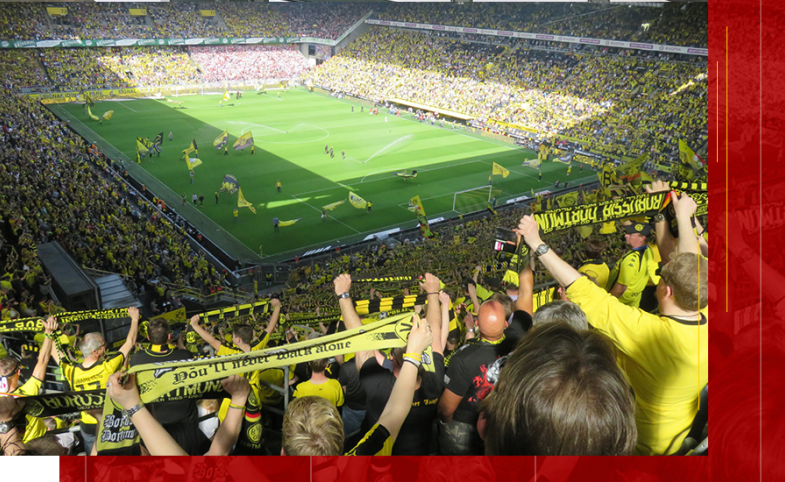
Public Diplomacy in the News: World Cup Visitors' Views of America, Ukrainian Theater, & More
“Public Diplomacy in the News” is a CPD Blog series by Andrew Dubbins that spotlights noteworthy stories on public diplomacy topics such as cultural diplomacy, nation branding, exchange programs, international events and conferences, digital diplomacy, and strategic global communications.
Ukrainian theater as cultural resistance — Amid Russia’s ongoing war against Ukraine, live theater has emerged not merely as a reflection of conflict but as an act of resilience, community-building, and cultural survival. Drawing on experiences at Kyiv’s GRA Theatre Festival, American Theatre’s Brandice Thompson highlights veteran performers, playwrights, and artists who continue creating despite air raids, blackouts, and personal loss, viewing their work as a defense of Ukrainian identity against centuries of cultural suppression. Through productions that blend entertainment, historical memory, and wartime reality, Ukrainian theater asserts the nation’s right to exist, preserving freedom of expression and fostering understanding while demonstrating how art can sustain both individual dignity and collective resolve in the face of war.
Brandice Thompson / American Theatre
Sail4th 250 brings the world to New York Harbor. New York Harbor is preparing to host one of the largest maritime celebrations in American history as nearly 50 tall ships from 20 countries converge for Sail4th 250, a centerpiece of the United States’ 250th Independence Day commemoration. From July 3–8, the event will feature an International Parade of Sail in which historic vessels travel past landmarks including the Statue of Liberty, accompanied by more than 40 U.S. and allied naval vessels and an aerial review involving over 120 aircraft led by the Blue Angels. Organizers expect roughly six million spectators along New York’s waterfront, while extensive television and streaming coverage will showcase what is being billed as an unprecedented international goodwill gathering and the largest maritime and aerial assembly ever held in the United States.
Maria Toledo Flores / NBC New York
A call for A.I. nonproliferation — As artificial intelligence companies race toward ever more powerful systems and trillion-dollar valuations, Anthropic has proposed creating a global mechanism to slow or temporarily pause frontier A.I. development if advances begin to outpace society’s ability to control them. The company argues that emerging capabilities such as “recursive self-improvement,” in which A.I. systems could increasingly improve themselves with limited human involvement, pose risks significant enough to warrant an international framework resembling a nuclear nonproliferation treaty, complete with verification and cooperation among leading laboratories and governments. The proposal reflects growing concern about A.I. safety and governance, but it has also sparked criticism from skeptics who argue that slowing development could undermine innovation, investor confidence, and international competitiveness while raising difficult questions about enforcement and geopolitical trust.

Visit CPD's Online Library
Explore CPD's vast online database featuring the latest books, articles, speeches and information on international organizations dedicated to public diplomacy.
POPULAR ARTICLES
-
September 22
-
October 5
-
October 13
-
October 5
-
October 15
MORE FROM THIS AUTHOR
Join the Conversation
Interested in contributing to the CPD Blog? We welcome your posts. Read our guidelines and find out how you can submit blogs and photo essays >.