









The CPD Blog is intended to stimulate dialog among scholars and practitioners from around the world in the public diplomacy sphere. The opinions represented here are the authors' own and do not necessarily reflect CPD's views. For blogger guidelines, click here.
Public Diplomacy in the News: Yoga in Times Square, America's World Cup Soft Power & More

Jun 29, 2026

by

“Public Diplomacy in the News” is a CPD Blog series by Andrew Dubbins that spotlights noteworthy stories on public diplomacy topics such as cultural diplomacy, nation branding, exchange programs, international events and conferences, digital diplomacy, and strategic global communications.

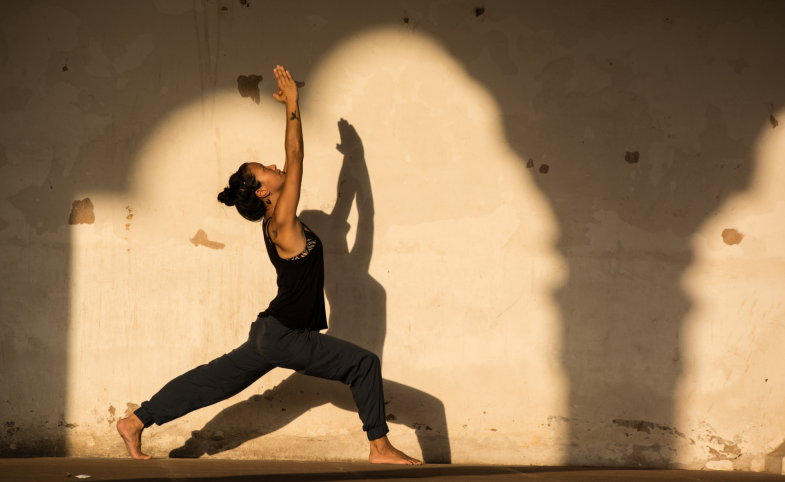
Yoga Day showcases India's global appeal Hundreds of yoga practitioners, members of the Indian diaspora, and wellness advocates gathered in New York's Times Square to celebrate the 12th International Day of Yoga, underscoring yoga's growing role as a global symbol of India's cultural influence, reported News India. Organized by the Consulate General of India in New York in partnership with Times Square, the event centered on the theme "Yoga for Healthy Ageing" and featured prominent yoga guru Dr. H.R. Nagendra, who credited Prime Minister Narendra Modi with helping elevate yoga onto the global stage. Speakers highlighted yoga's physical, mental, and spiritual benefits while emphasizing its potential to promote healthy aging, scientific research, and global harmony, reflecting India's continued use of yoga as a tool of cultural diplomacy and international outreach.

News India

World Cup revives American soft power. Vox's Constance Grady argues that the 2026 FIFA World Cup has highlighted the resilience of American soft power, demonstrating that the country's global appeal endures despite President Donald Trump's restrictive immigration policies and attacks on traditional sources of U.S. influence. While travel bans, visa problems, and cuts to institutions such as USAID and Voice of America have damaged America's international standing, Grady contends that foreign visitors have embraced everyday aspects of American life—from tailgating and school buses to free soda refills and local hospitality. Citing soft power scholar Hendrik W. Ohnesorge, she argues that the United States' greatest strength lies not in government messaging but in the attraction generated by its people, culture, and welcoming communities, whose everyday kindness reflects values that transcend any single administration.

Constance Grady / Vox

Japanese soft power beyond government Japan’s enduring cultural influence in Central Europe has grown largely through grassroots enthusiasm rather than government strategy, suggesting that authentic cultural appeal may be more powerful than state-led branding efforts. In Hungary and Poland, local fans, educators, and entrepreneurs have built thriving communities around Japanese culture—from sumo and kendo to manga publishing—despite minimal investment from Japan’s struggling Cool Japan Fund. While Japan’s global cultural exports have surged, South Korea has more aggressively translated its own cultural popularity into long-term strategic and commercial influence through language institutes and cultural infrastructure. With the Cool Japan Fund facing possible abolition and Tokyo considering a major expansion of cultural spending, Japan faces a choice between simply investing more or adopting a new strategy that supports the regions where its cultural influence has flourished organically.

Waka Ikeda / Japan Times

Chinese brands refine World Cup strategy. Chinese companies are shifting from high-profile FIFA sponsorships toward more targeted, technology-driven and consumer-focused global branding strategies at the 2026 FIFA World Cup, writes Li Jing for China Daily. Although only Lenovo, Hisense, and Mengniu remain official FIFA sponsors, businesses increasingly view the tournament as a platform to showcase technological capabilities, strengthen brand positioning, and deepen consumer engagement rather than simply maximize advertising visibility. Companies such as Lenovo and Hisense have become integral to the tournament's technology infrastructure, while others, including Dreame, Luckin Coffee, and Changan Automobile, are partnering with national teams, athletes, and influencers to build stronger connections with specific overseas markets. The trend reflects a broader evolution in Chinese globalization efforts, emphasizing innovation, branding, and supply chain leadership over mass-market exposure.

Li Jing / China Daily


STAY IN THE KNOW

Visit CPD's Online Library

Explore CPD's vast online database featuring the latest books, articles, speeches and information on international organizations dedicated to public diplomacy. 

Join the Conversation

Interested in contributing to the CPD Blog? We welcome your posts. Read our guidelines and find out how you can submit blogs and photo essays >