









The CPD Blog is intended to stimulate dialog among scholars and practitioners from around the world in the public diplomacy sphere. The opinions represented here are the authors' own and do not necessarily reflect CPD's views. For blogger guidelines, click here.
America’s World Cup Cities: Narratives on a Global Stage
This is the first in a series of blogs by Professor Jay Wang, Director of the Master of Public Diplomacy Program at USC Annenberg, focusing on how the eleven U.S. host cities for the FIFA World Cup are represented and discussed across digital and social media environments during the FIFA tournament.
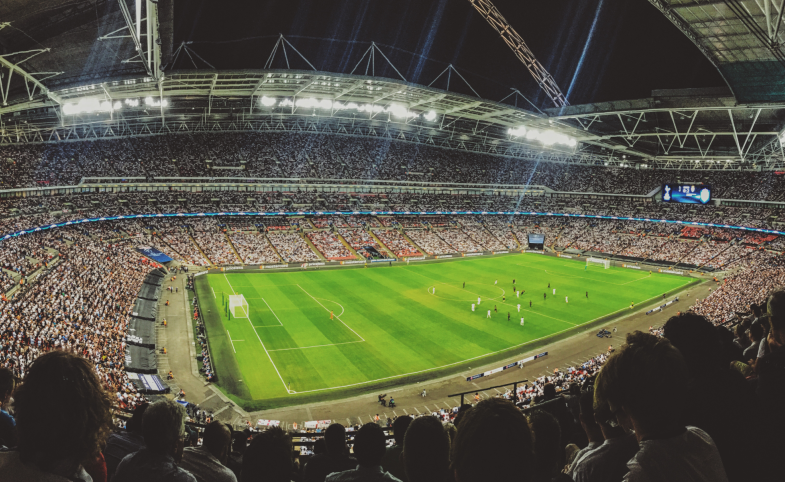
Few events command worldwide attention like the Olympic Games and the FIFA World Cup. These mega sporting events, characterized by their scale, symbolic significance, and ability to convene transnational audiences, create powerful moments for international visibility, narrative formation, and global engagement.
In practice, however, mega-events are often approached primarily through the lenses of infrastructure, security, logistics, and athletic competition. This is understandable, as these elements are essential for the operation and success of the events and demand the bulk of organizational attention. Yet the broader significance of these spectacles extends beyond competition on the field to economic interests and, most importantly, the cultural dynamics that surround them. In this sense, the competition only functions as the vehicle that draws global attention, thereby creating concentrated moments of meaning-making.
The international dimension of mega-events is therefore closely tied to public diplomacy and questions of soft power. While tournaments are formally hosted by countries, they are experienced through cities. Host cities thus become important actors in public diplomacy, serving as spaces where international perception, local identity, and storytelling intersect. The benefits of hosting mega-events are often debated and sometimes overstated. Nevertheless, these events generate important symbolic opportunities and risks. Narratives circulating through media and social platforms influence how cities are perceived internationally and can shape their longer-term economic and cultural engagement.
"The World Cup presents a rare opportunity to foster renewed connection and exchange both at home and abroad."
This is particularly important in the United States, where the 2026 FIFA World Cup will unfold across eleven host cities: Atlanta, Boston, Dallas, Houston, Kansas City, Los Angeles, Miami, New York / New Jersey, Philadelphia, San Francisco, and Seattle, as the country co-hosts the tournament with Canada and Mexico. Each city will present its own narratives and images of culture, hospitality, and urban identity to global audiences.
The 2026 World Cup also arrives at a special moment for the United States. The tournament coincides with the 250th anniversary of the Declaration of Independence and will be followed by the 2028 Summer Olympic and Paralympic Games in Los Angeles. Together, these events place the United States at the center of global cultural attention during a period marked by shifting geopolitical dynamics and digital fragmentation. International reputation and attraction remain central to U.S. competitiveness across services, creative industries, innovation, and other soft power-driven sectors.
“Soccer’s mission in the United States,” as David Goldblatt noted in his book The Ball Is Round, “is not to supplement or challenge American football, baseball, or basketball, but to offer a conduit to the rest of the world.” The World Cup presents a rare opportunity to foster renewed connection and exchange both at home and abroad. Against this backdrop, how will U.S. host cities fare in the global limelight during the upcoming tournament, and what implications will these narratives carry for their international engagement and reputation?
This forthcoming blog series, "America's World Cup Cities," will draw on an AI-enabled analytical platform to provide regular snapshots of the broader narratives and conversations surrounding each host city, highlighting prominent themes, recurring topics, and notable shifts in attention across media and online discussions. These updates are intended as timely reflections on how narratives converge or diverge across cities and what these emerging conversations may suggest about the broader role of mega-events in global affairs.

Visit CPD's Online Library
Explore CPD's vast online database featuring the latest books, articles, speeches and information on international organizations dedicated to public diplomacy.
POPULAR ARTICLES
-
September 22
-
October 5
-
October 13
-
October 5
-
October 15
MORE FROM THIS AUTHOR
Join the Conversation
Interested in contributing to the CPD Blog? We welcome your posts. Read our guidelines and find out how you can submit blogs and photo essays >.