









The CPD Blog is intended to stimulate dialog among scholars and practitioners from around the world in the public diplomacy sphere. The opinions represented here are the authors' own and do not necessarily reflect CPD's views. For blogger guidelines, click here.

Russia’s diplomatic intervention in the Syria crisis has received much praise from politicians and media outlets around the world. In a sense, the praise is deserved: by finally pushing the Assad regime into negotiations, Russia has halted – at least for the time being – a universally undesired military action.
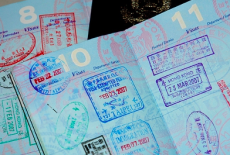
In June of 2013, reports revealed contemplation by the United Kingdom to impose a £3000 (US $4,715.4) bond on visa applicants from some five countries; India, Nigeria, Pakistan, Ghana, Sri Lanka, and Bangladesh. According to the plan, this bond program and the visa applicants from the target countries will participate in a pilot scheme of a broad plan aimed at checking illegal immigration into the UK.
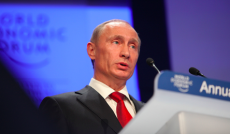
Putin is known for the love of strong language and a questionable, if not inappropriate, sense of humor. This has not changed over his nearly 15 years in power. Russia’s head of state ascended to the presidency in 1999-2000 famously promising to “waste terrorists in the out house, ” and most recently dismissed Assad’s chemical attack claims as “utter nonsense,” raising some eyebrows in the West.

It is Tokyo, after all. It was nearly 6am when a few thousand supporters gathered at Komazawa Stadium, one of the key venues for Tokyo’s 1964 games, exploded in celebration as International Olympic Committee Jacques Rogge held up the winning envelope marked “Tokyo 2020." With Madrid ousted at the first round, the Tokyo-Istanbul competition boosted the hopes of the Japanese bidders that eventually took the final vote by a large margin: 60 to 36.
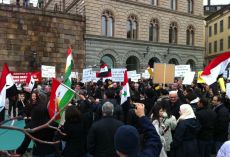
Here’s some news that will probably get buried amid the debates on Syria in the House of Representatives today. The Swedish Migration Board earlier announced that all Syrian refugees will be granted permanent residence. This means that the 8,000 Syrians who have currently been granted asylum on a temporary basis, together with any of the millions of currently displaced Syrians who can make it to Sweden, will be able to settle there and bring their families.
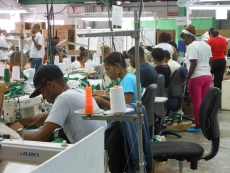
I spent the past few weeks in the Dominican Republic with United Students Against Sweatshops (USAS), witnessing workers’ grassroots efforts to further basic human rights in the workplace. Conducting cultural diplomacy, American college students of USAS also work closely with Dominican workers to reform corporate social responsibility
(See my previous blog post for background information).

Huffington Post readers may be familiar with Arianna Huffington’s campaign to redefine success away from the two metrics of money and power toward a third which includes well-being, wisdom, and our ability to wonder and give back. The old, masculine signifiers of success lead to burnout, sleep deprivation and general grumpiness. Businesses should instead take care of their workforce, and indeed encourage their workers to take care of themselves.

The recent senseless shooting of Christopher Lane, an Australian student athlete who was on a baseball scholarship at a small Oklahoma state university, is so sad and disturbing that it shakes our souls. It is hard to imagine the horror and sadness that his family and friends in Australia and Oklahoma must be experiencing at this moment. Nothing can explain why three “bored” teenagers would randomly kill a young man while he was jogging down a quiet road on a late summer day in an otherwise peaceful, small Oklahoma town.
Pages
Visit CPD's Online Library
Explore CPD's vast online database featuring the latest books, articles, speeches and information on international organizations dedicated to public diplomacy.
POPULAR ARTICLES
-
September 22
-
October 5
-
October 13
-
October 5
-
October 26
Featured Blogger
Join the Conversation
Interested in contributing to the CPD Blog? We welcome your posts. Read our guidelines and find out how you can submit blogs and photo essays >.