









The CPD Blog is intended to stimulate dialog among scholars and practitioners from around the world in the public diplomacy sphere. The opinions represented here are the authors' own and do not necessarily reflect CPD's views. For blogger guidelines, click here.
The Role of Piracy in Cultural Diplomacy
The harms and shortcomings of pirated content are clear. Creators forgo some earnings; the quality of cultural materials may have worse quality and worse impression because of, for instance, poor dubbing or poor translation. Moreover, harmful content goes unfiltered and it may even violate some local regulations. In addition, some consumers of pirated content may never convert into licensed content consumer due to variety of reasons, including normalization of consumption of pirated content.
Nevertheless, in the context of cultural diplomacy, piracy also offers some positive contributions. Notably, it is reasonable to assume that amid emerging internet splintering (Splinternetization or Balkanization of the Internet), pirated content—even on analog storage media (e.g. CD, USB) - may serve as a channel for cultural diplomacy. Simultaneously it is fair to expect that hybrid model of consumption of licensed and non-licensed content will persist.
This article aims to address the role of piracy in the context of cultural diplomacy and public diplomacy more broadly. Piracy, for the purposes of this article, refers to the unauthorized consumption and dissemination of media products—most notably music, films, television series, video games, and others. The article seeks to conceptualize piracy across several dimensions within the framework of cultural diplomacy. Some of the ideas outlined below were formally presented at the recently-held Russian-South Korean humanitarian forum. The insights for this blog are drawn from my empirical research, studies conducted under my academic supervision, and personal observations. It picks up from my previous CPD Blog article dedicated to resistance strategies to cultural hegemony and unwanted cultural diplomacy interferences.
1. Piracy as the Initial Gateway to a Foreign Culture
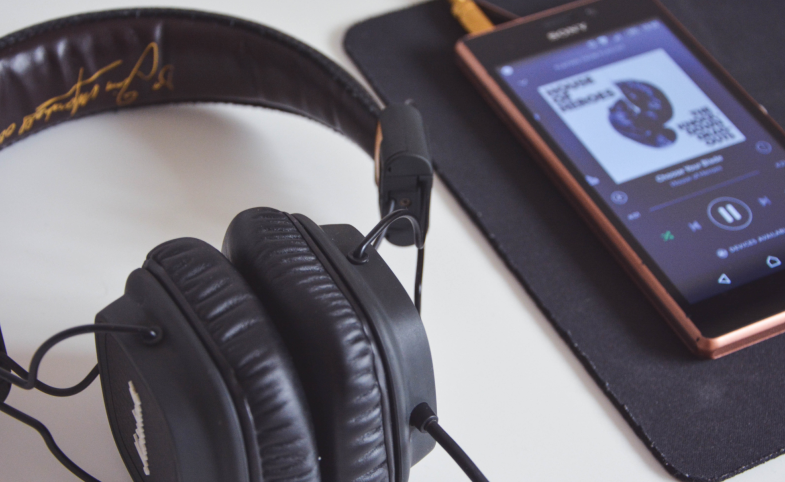
Although piracy often carries negative connotations—primarily due to lost revenue for creators (musicians, artists, producers, and affiliates)—it serves, in the context of cultural diplomacy, as one of the first (if not the first) steps toward engaging with foreign media products. Youth exposure to cultural products begins at an early age (cartoon, music, series) nevertheless these young population cannot access legal (not pirated) content because they are often constrained by geographical, financial, cultural, or other barriers. For instance, teenagers’ first encounters with K-wave content or Japanese anime often occur through pirated material (Bekreneva, 2025, "Impact of Streaming Services and Online Communities on Japanese Music Consumption in Russia in 2019-2024, HSE University). In theory, adolescents even in countries with lax copyright enforcement might access Korean or Japanese media legally, but availability of pirated content accelerates exposure to cultural media elements substantially. Thus, intentionally or unintentionally, cultural diplomacy leverages piracy to penetrate listeners' headphones and screens.
2. Piracy as a Tool for Sustaining Interest
A second dimension is piracy's role in maintaining engagement with a given culture, enabled by its accessibility and volume. Licensed content cannot match piracy's speed of dissemination across borders. Let’s look at the example of series. Official subtitling, dubbing (preferred in some countries), uploading, and marketing for a series can take months. Moreover, paid platforms prioritize profitability, selectively acquiring titles. Pirated content, by contrast, offers consumers greater variety and nuanced content (e.g., focused on specific actors or genres). Accessibility remains key: for fans lacking funds or payment methods (e.g., in sanctioned countries), pirated options are the default. The similar logic applies in case of the pirated music too. Lack of access to streaming services due financial or technical restrictions urges fans to use non-licensed platforms for accessing the content from an artist of interest.
"Piracy evidently imposes losses on content producers. Yet cultural diplomacy is a long game. Building and sustaining ties through cultural products requires persistence, with effects emerging only over decades."
3. Piracy as a Manifestation of Popularity
The third conceptualization positions pirated consumption as an indicator of an artist's popularity. From a signaling theory perspective, it signals to producers that an artist holds strong potential for capitalization in a region/country where pirated with this artist are popular among locals. Capitalization should occur not through lawsuits though, but via concerts and official merchandise sales. It is producers who would further choose whether they would like to transform the popularity of an artist into cash or not. Applying extensive restrictive copyright policies may reduce this popularity, potentially reducing not only business opportunities but affection with a culture of the country that artists represents.
4. Pirated Consumption as a Pathway to Legitimate Engagement
The above-mentioned functions hints that there are pathways for transitioning from unlicensed content consumption to licensed content consumption. While teenagers may favor piracy for its accessibility and need to try a variety of different content, at later stages, the individuals once maturing and becoming more financially independent, the consumers may often evolve into deliberate purchases of specific and limited content/merchandise.
5. Transforming Pirated Consumption into National Affinity
Piracy evidently imposes losses on content producers. Yet cultural diplomacy is a long game. Building and sustaining ties through cultural products requires persistence, with effects emerging only over decades. States, as regulators, may sacrifice short-term cultural revenues as a gambit, reaping returns in influence, outcomes, or soft power (however you measure it). Overly aggressive copyright enforcement risks diminishing interest due to inaccessibility, or spawning odd metamorphoses—like local covers of anime soundtracks in the listener's language outpacing originals (e.g., Bekreneva on Japanese content). Furthermore, as pirated consumers "legalize," this may extend beyond media: recent research shows greater content consumption correlates with more positive country images and tourism intent. Thus, legalization manifests in tourism, concerts, and merchandise purchases.

Visit CPD's Online Library
Explore CPD's vast online database featuring the latest books, articles, speeches and information on international organizations dedicated to public diplomacy.
POPULAR ARTICLES
-
September 22
-
October 5
-
October 5
-
September 9
-
September 22
MORE FROM THIS AUTHOR
Join the Conversation
Interested in contributing to the CPD Blog? We welcome your posts. Read our guidelines and find out how you can submit blogs and photo essays >.